Menus, Dry Days, and the Bill: A Noida Dining Brief for US Clients
Dinner is the easiest part of a companionship booking and the easiest part to overthink. A few local realities — menu structure, alcohol licensing, portion sizes, and the small ritual of the bill — will carry you through most evenings in Noida without a single awkward pause. Think of this as the briefing you would get from a friend who lives there.
Assume nothing, ask early
Taste is personal, so get the obvious questions out of the way in the chat, not at the table. Any dietary limits? Vegetarian, eggetarian, Jain, no dairy, no gluten? Spice tolerance — and be honest, because medium in Noida is not medium in Ohio. A two-line exchange before you book saves twenty minutes of menu negotiation later.
Do not frame dietary questions as a hurdle. They are the same questions you would ask before booking a dinner reservation for a friend, and they read that way when asked plainly.
Vegetarian is not the compromise option
A large share of Noida diners eat vegetarian, and the menus reflect it. That means a vegetarian order is never the sad fallback — it is often the strongest part of the kitchen. Paneer tikka, dal makhani, chole, bhindi, and a good bread basket will hold their own against anything on the other side of the menu.
Two useful details: many kitchens cook vegetarian and non-vegetarian dishes separately and say so on the menu, and 'egg' usually counts as non-vegetarian in labeling. If someone tells you they eat vegetarian, they are not hinting at a cheaper bill — order accordingly and let the food do the talking.
Alcohol, licensing, and dry days
Noida sits in Uttar Pradesh, which has its own licensing rules, and the wider Delhi NCR adds another layer. Practically speaking: not every restaurant is licensed to serve alcohol, some serve beer and wine but not spirits, and licensed hotel bars often operate on different terms than a standalone restaurant. Ask when you book rather than when you sit down.
Then there are dry days — specific dates tied to national holidays, festivals, and election periods when alcohol sales are suspended. Republic Day, Independence Day, and Gandhi Jayanti are the reliable ones, and festival and polling dates get added through the year. On those days a restaurant may be open and cheerful with no bar service at all. Some hotel bars hold permits that allow service, but do not build the evening around that hope.
And the most important line in this section: do not assume your companion drinks. Plenty of people do not, for reasons that are none of your business. Order what you like, and let the other order be a non-event. Nimbu soda, masala soda, lassi, and a well-made mocktail are all normal orders here, not consolation prizes.
One more practical note: the legal drinking age in the NCR varies by state and by type of beverage, so if anyone in the party looks young, carry ID and do not make it weird.
Reading the menu like a local
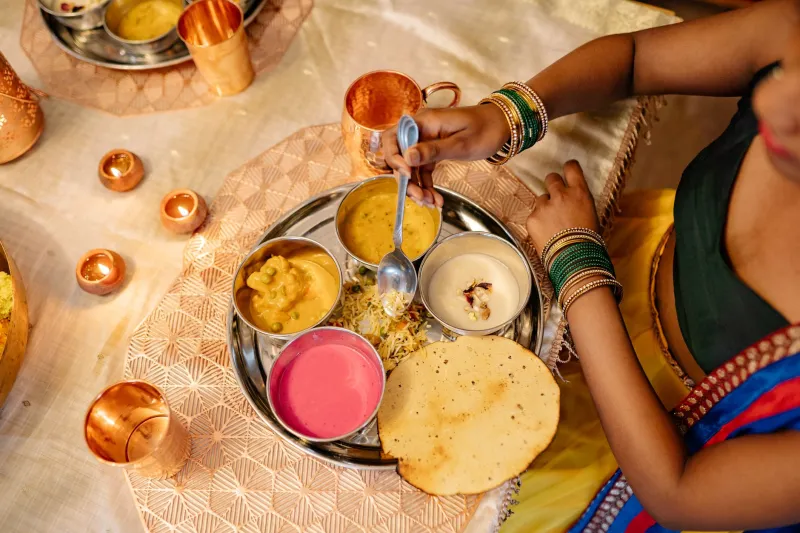
Indian restaurant portions are built for sharing, and they are generous. For two people, one starter, two mains, and a bread basket is usually plenty — order more later if you are still hungry, which is cheaper than a table full of cold leftovers.
A few menu words worth knowing: 'tandoori' means cooked in a clay oven and is usually dry rather than saucy; 'gravy' dishes are the rich, spoonable ones; 'butter' in a dish name is literal; and 'tikka' on its own is a skewer, not a curry. If the spice level worries you, say 'less spicy, please' when you order — kitchens hear it constantly and nobody takes offense.
The bill: settle the method before the plates land
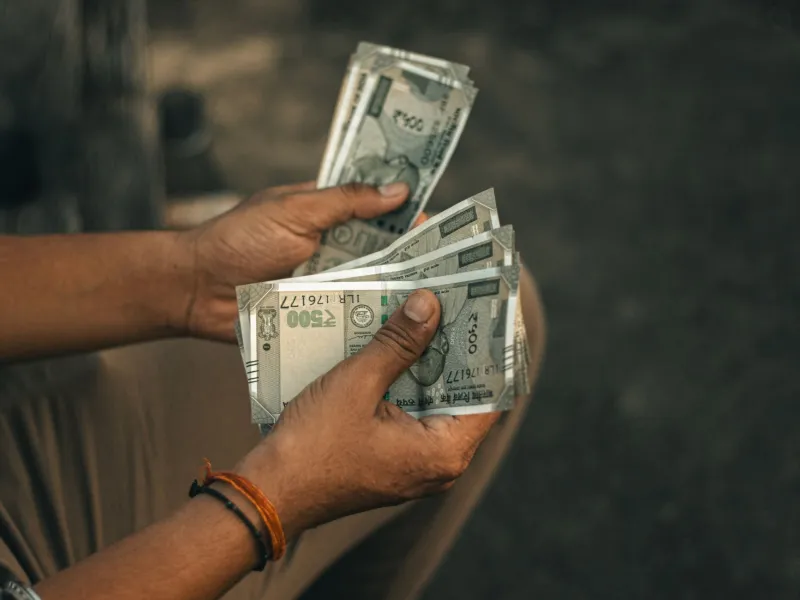
Decide how the bill works early, ideally before you order. If you are hosting, say so plainly and early — 'dinner is on me, order whatever you like' — and then let it go. If you have agreed to split, say that too, once, and then drop it. The version of this that causes trouble is the surprise at the end, when one person reaches for a card and the other reaches for a purse and both feel slightly managed.
A few local facts that help. Many restaurants add a service charge line to the bill, so check before you add a tip on top. Cash in rupees is still useful and always welcome; card machines work almost everywhere; UPI is the local standard but needs an Indian bank account, so do not count on it as a visitor. If the total looks odd, ask for the itemized bill — nobody will blink.
Pace the meal so the evening survives it
A Noida dinner often starts later than an American one. Prime tables fill between eight and ten, and a weekday booking is a much calmer experience than a Saturday at nine. During November, wedding season can make good restaurants harder to book, so reserve a day ahead rather than an hour ahead.
Keep the meal inside the time you booked. A long, slow dinner is lovely when the plan is long; when the plan is ninety minutes, order fewer dishes and skip the second round of drinks. Both people should leave on schedule and in a good mood — that is the actual goal.
Five small courtesies that carry weight
- Put the phone away, face down, once the food arrives.
- Ask before ordering for someone, even if you are hosting.
- Do not comment on how much or how little the other person eats.
- Say thank you to the server, and let your companion order first.
- If plans change, say so before the bill arrives, not after.
The takeaway
Good dinner company in Noida is mostly a matter of not making assumptions. Ask about food, do not build the night on a bar that may be closed, order like the portions are shared, and settle the money question before the first plate lands. The rest is just conversation — which is the part you came for.